
We all know that videos are an incredibly powerful marketing tool, especially when it comes to storytelling, as they enhance engagement and increase viewer retention. But, there are so many different video styles, A-Roll, B-Roll, final products, Log and RAW… so what do all the different video footage styles mean? We are often asked this question when providing a proposal for our clients, so we’ve decided to demystify these terms and showcase their significance in marketing videos.
Creating a video involves two primary phases:
Decoding video footage styles
Capturing quality footage
We prioritise capturing the highest quality footage. Our cameras employ RAW Cinema Film-Log, which although appears underwhelming in its unedited form, holds tons of data. When professionally edited, this data translates into stunning, lifelike visuals. In contrast, consumer cameras or smartphones (although convenient) can't capture footage of this calibre as well as cinema cameras can….they do however have their place for capturing quick social media content.
When working with RAW Log footage, it is so necessary to ensure you have skilled professionals working with it, to make sure the output isn’t dull and underwhelming.
Let's delve deeper into the different footage terms:
- A-Roll
This term goes back to the time of film tapes, where 'A-roll' referred to the primary footage. In today's digital space, A-roll now signifies the final, colour-graded footage that takes centre stage in your video, conveying the core message.
- B-Roll
This refers to the additional shots captured during the filming process. These might not make the cut for the primary video but are necessary for generating additional content for various digital platforms, such as brief social media clips. Serving as a backup for maintaining brand consistency, B-roll is essential for producing fully polished content that can be repurposed effectively. Often we are asked to supply colour-graded footage from a shoot in long-form. This is B-roll footage all joined together in one long roll without any transitions. It’s colour graded and the file type is a manageable size so you can use basic video editing software or even p[hone apps to cut pieces out of it for social content yourself.
- RAW Footage Raw video footage is the pure, unprocessed version of what a camera captures. It contains all the data from the camera’s sensor before any color correction, contrast adjustments, or sharpening are applied. Because nothing has been altered or compressed, raw files are large and hold a huge amount of detail, giving editors maximum control later in the editing process.In simple terms, raw footage gives the full picture and the freedom to shape the video exactly how it should look during post-production.
- Log Footage
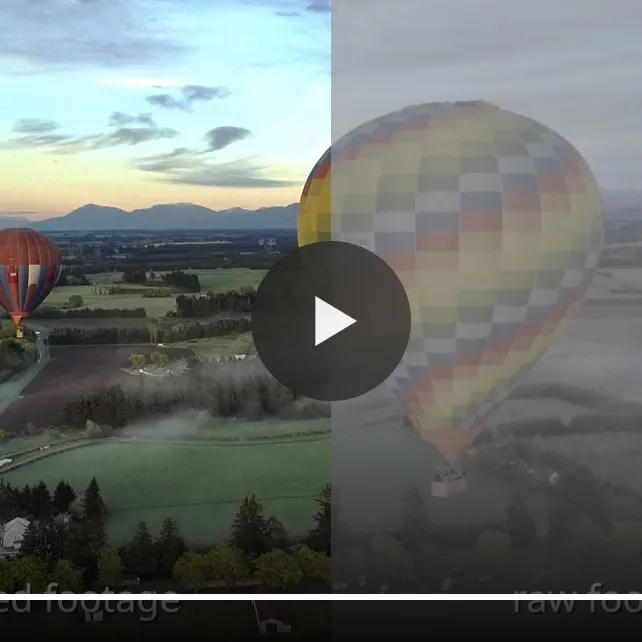
Log (short for logarithmic) video footage is a special recording format which helps capture a wider range of light and colour. When filmed in a log profile, the camera preserves more detail in both the brightest and darkest areas, giving the editor more options to work with when producing a final video.
To the eye, log footage often looks flat and washed out straight from the camera. This is intentional. It leaves more room for colour correction later. Once edited, log footage is vibrant and full of depth, offering a great balance between flexibility and file size.
Like raw, log footage is especially useful when multiple videographers are involved or when footage is captured across different cameras. Using log and raw ensures more consistent results and makes it easier to match shots during editing, even if they come from different sources.
Example video showing Log footage vs colour graded footage
In conclusion
The world of video production, with all of its technical jargon and intricacies, can seem intimidating. However, understanding these terms and the processes behind them is crucial for businesses aiming to harness the power of video marketing effectively. It's not just about creating content; it's about crafting meaningful, high-quality visuals that resonate with audiences and amplify your brand's message.
So, while it might feel a tad overwhelming now, understanding the basics will be a game-changer! Just ask us, we can talk about this art form all day!
Video services